About me
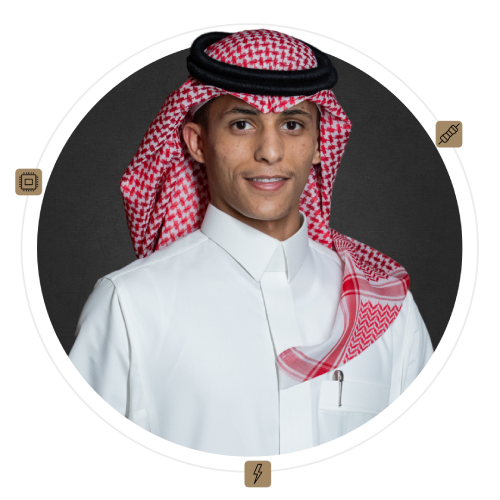
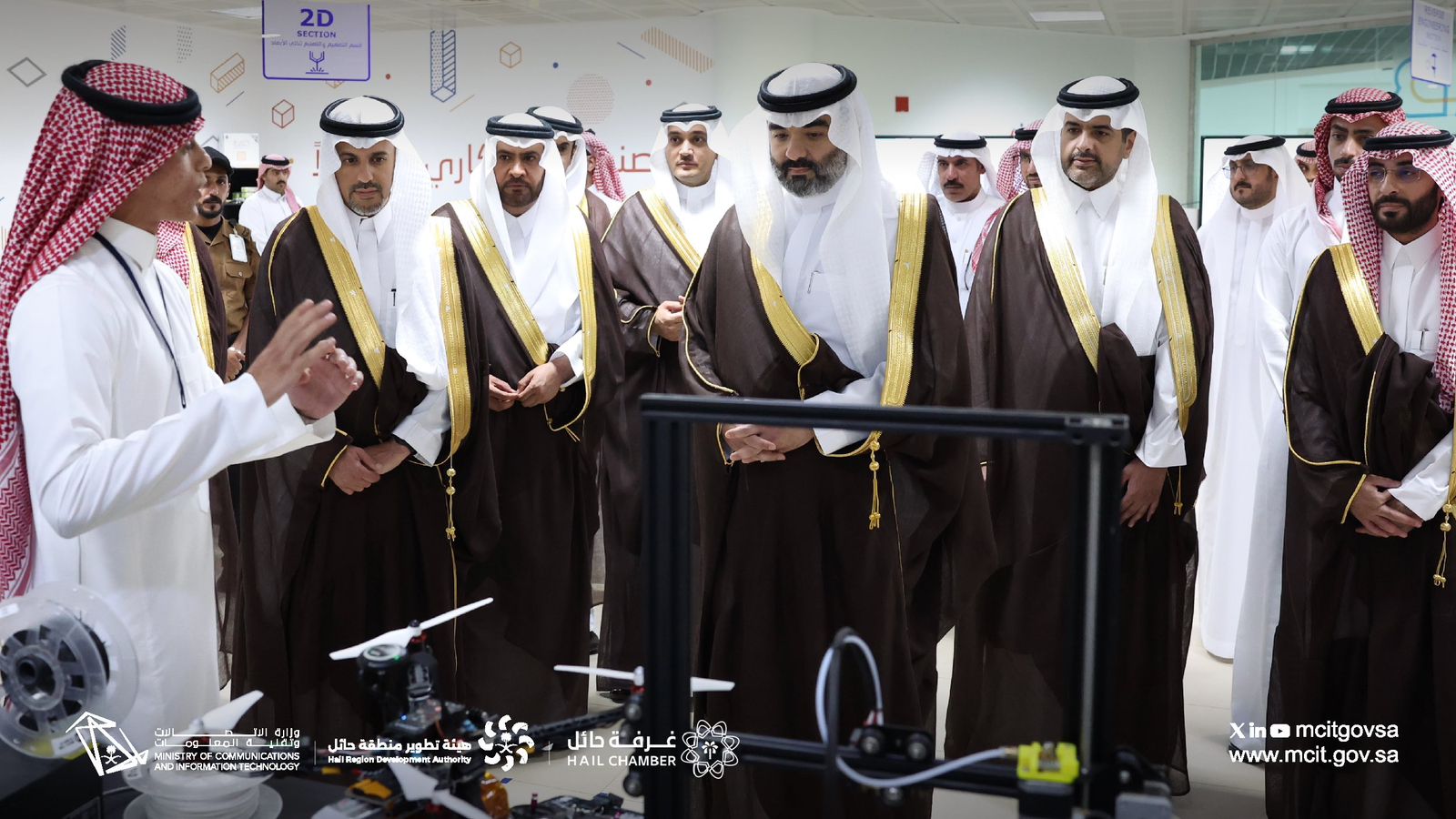
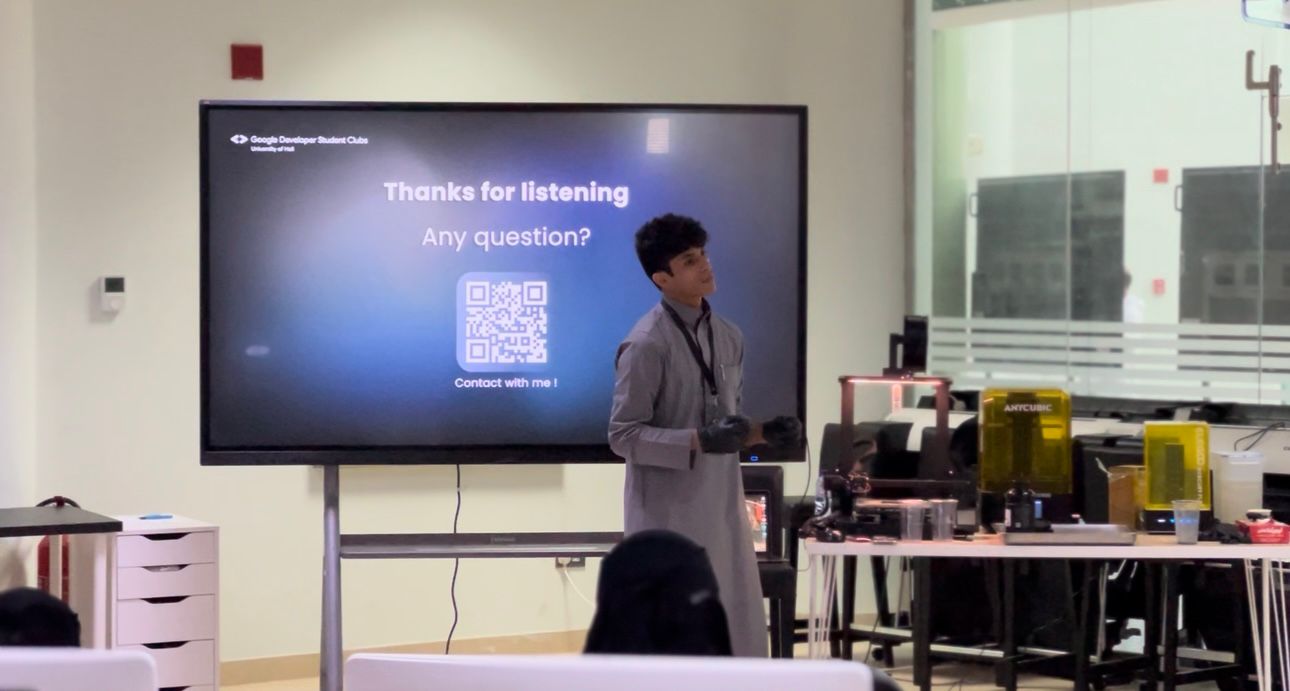
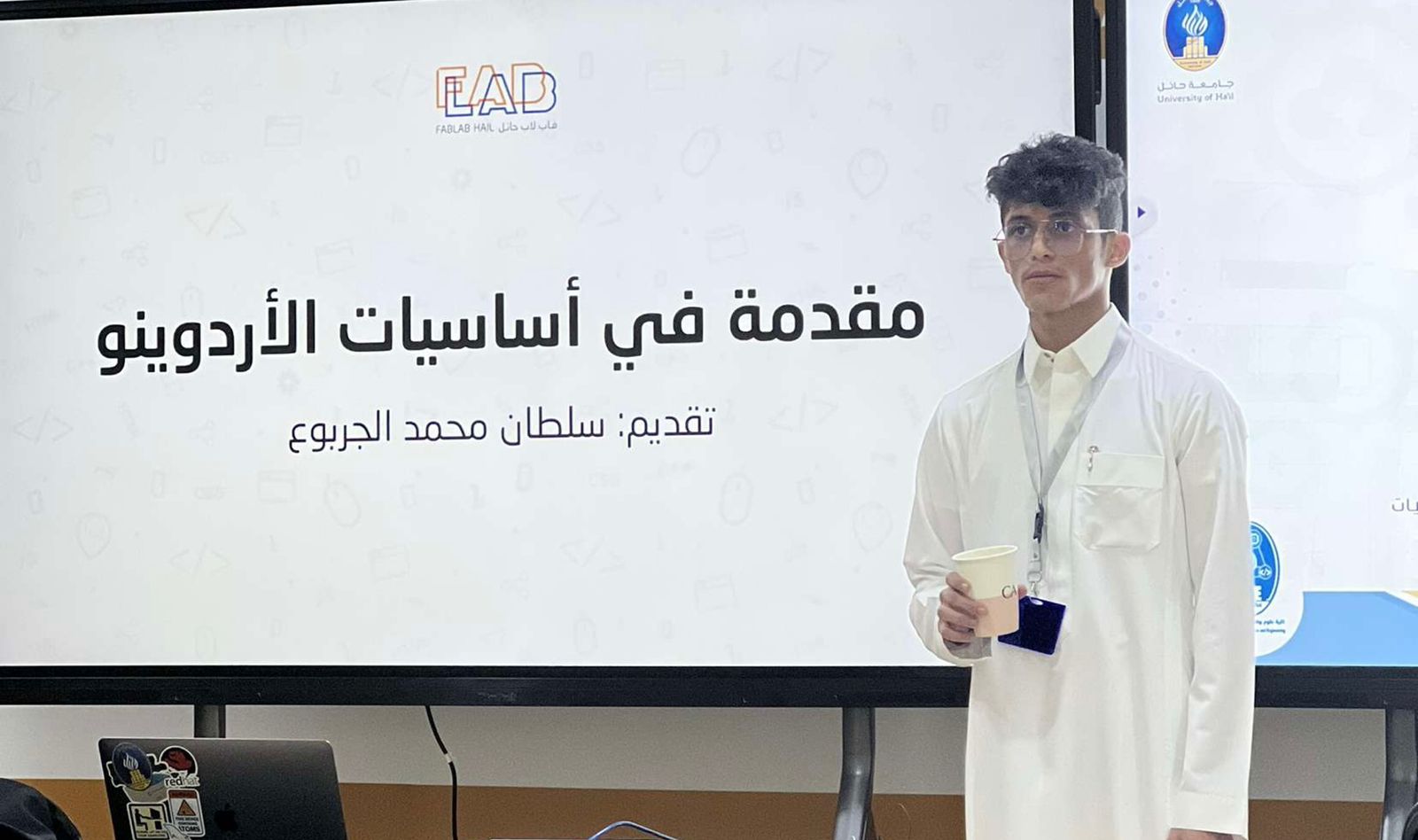
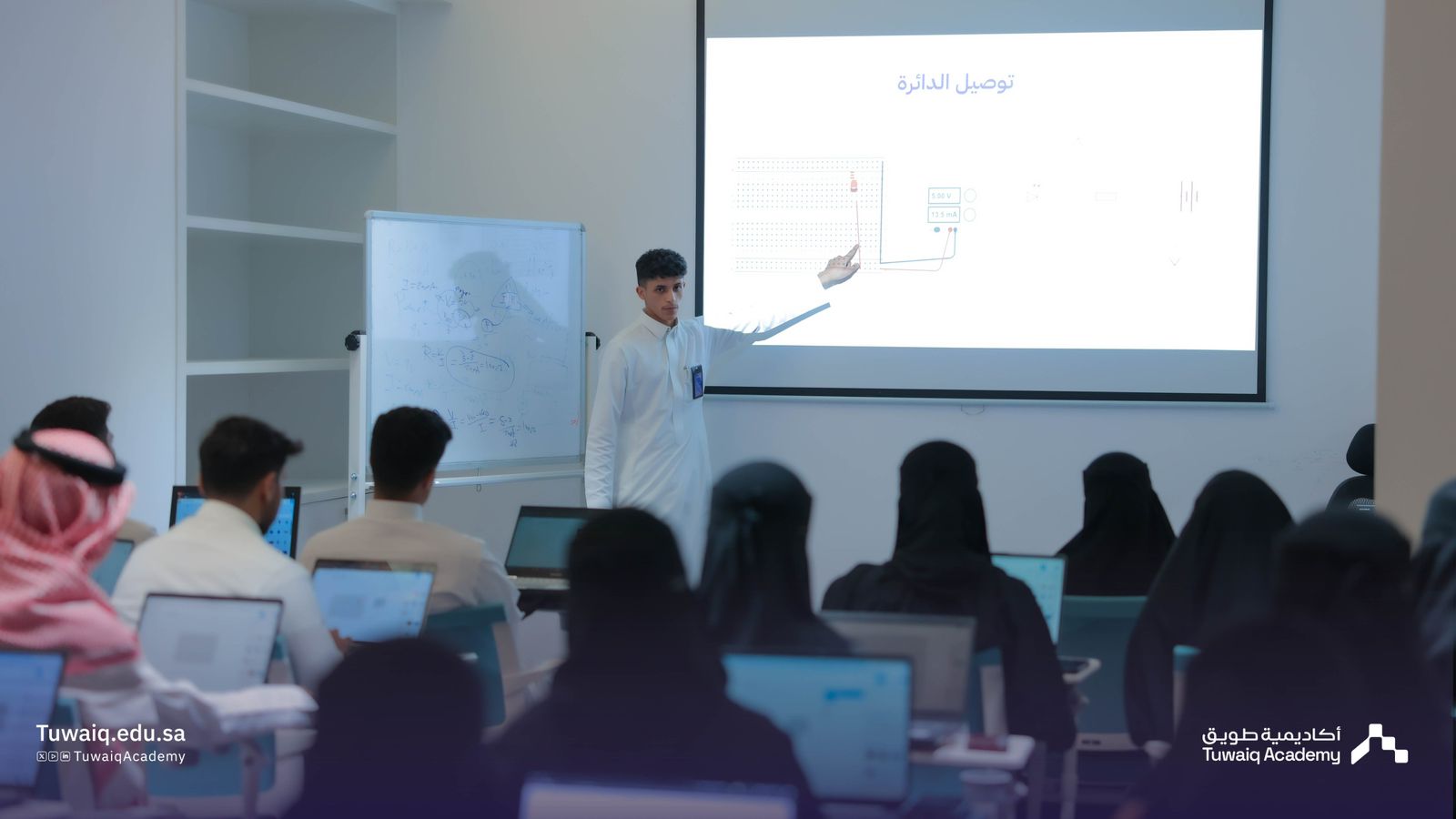
Sultan Mohammed Aljurbua, Computer Engineering graduate, specialized in the Internet of Things (IoT) and the design and manufacturing of engineering solutions and embedded systems. I have leadership and management experience through my role as a supervisor at Fab Lab Hail and as the leader of the Google Developer Student Club, in addition to representing the students of the College of Computer Science and Engineering. I have a strong background in manufacturing, 3D printing, and robotics, with a continuous commitment to self-development and delivering practical, effective solutions.

Projects
Hydrae
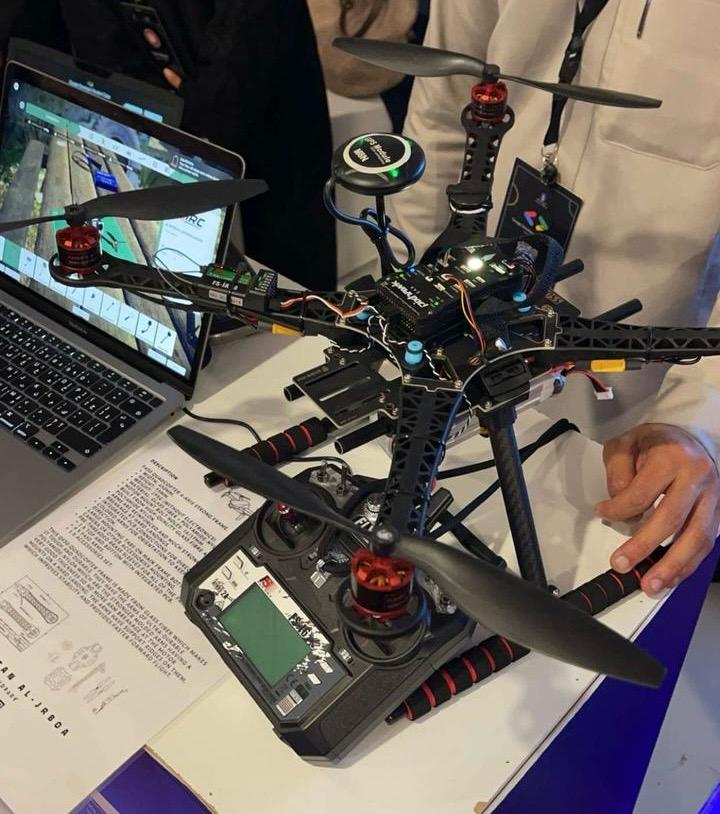
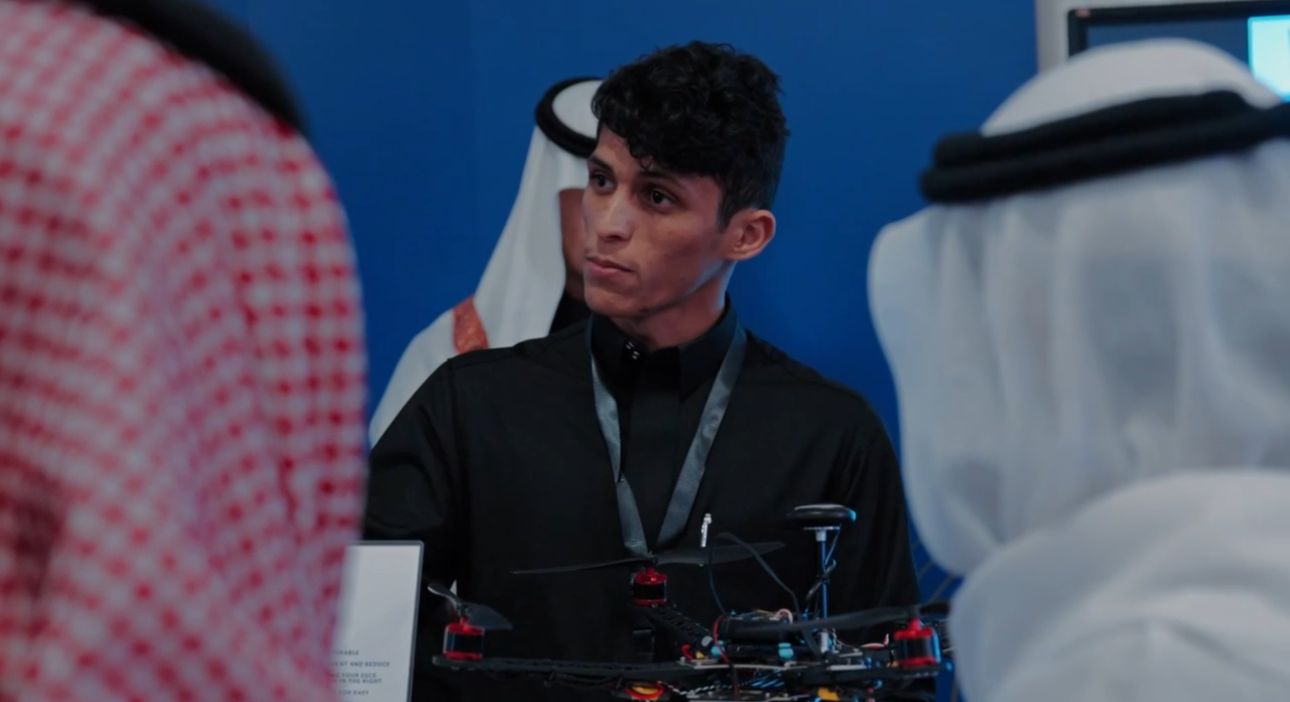
The Hydrae Drone Project, conceived in a home lab, epitomizes innovation in unmanned aerial systems. With the ability to capture high-definition 4K imagery at 120 frames per second, conduct aerial surveillance, execute precise insecticide spraying, and deliver lightweight objects, it showcases remarkable versatility. Enhanced by GPS navigation and 3D-printed components, this project sets new standards for efficiency and adaptability in drone technology.
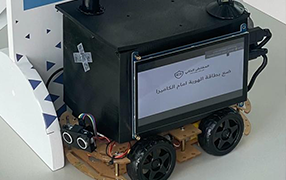
The Smart Inspector -Amen-
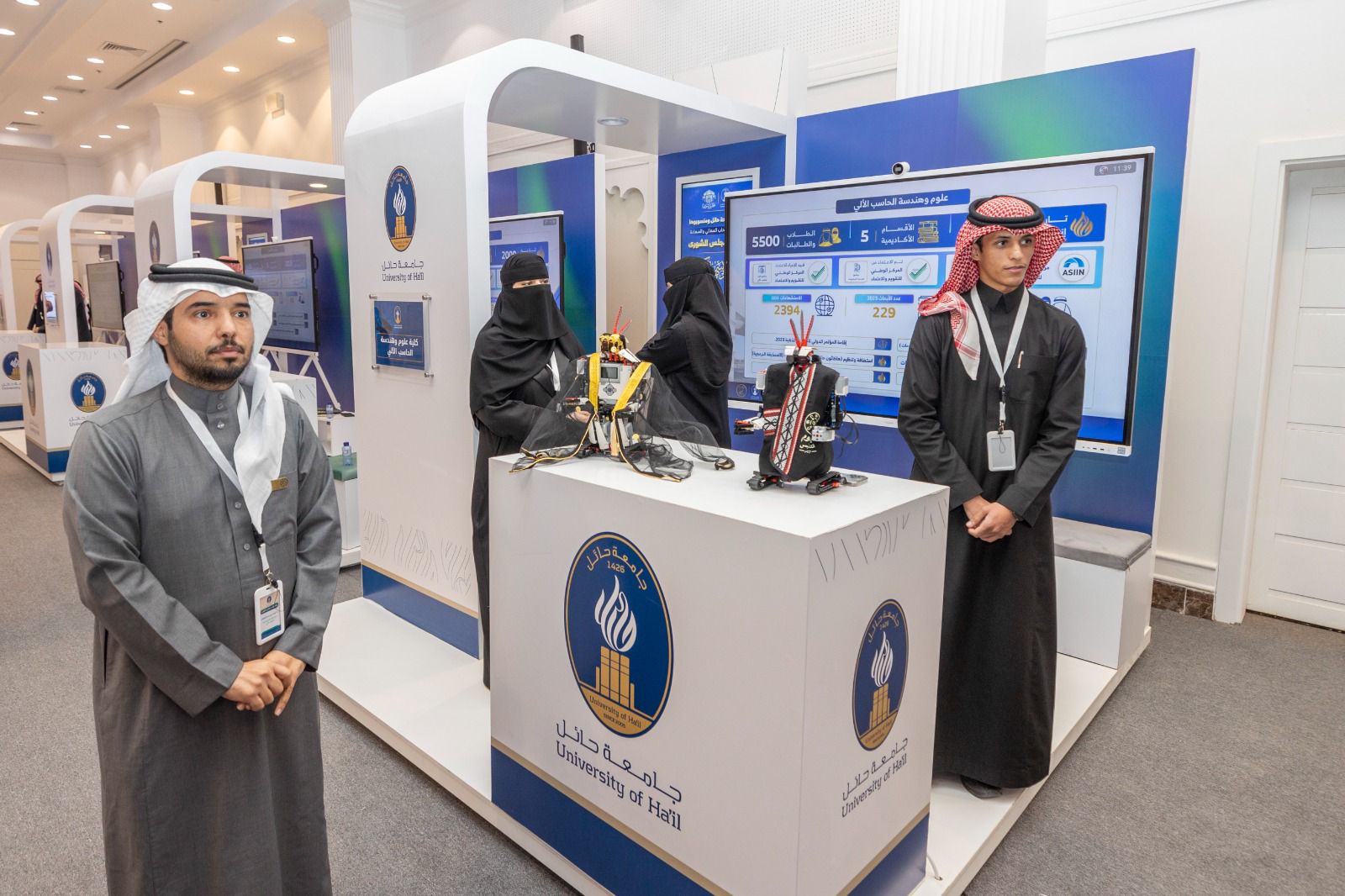
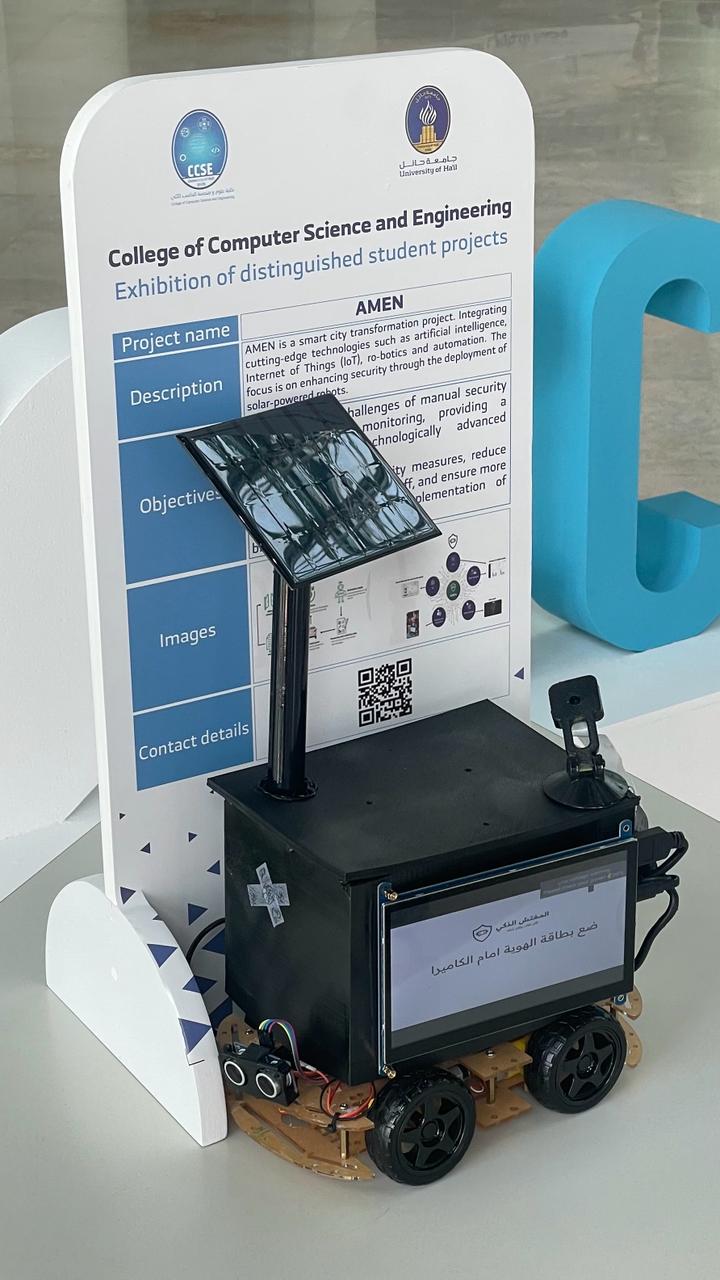
In our transition to smart cities, we'll employ AI, IoT, robots, and data analysis for solar-powered security robots. These precise, emotionless machines, like the "Amen" robot, act as traffic officers. They verify data, scanning facial fingerprints to identify drivers and match official documents. Connected to gates, they permit vehicle passage once procedures are complete.
Made by Rythm Team
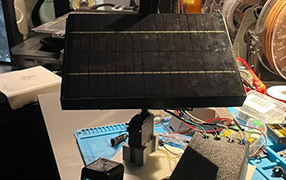
Solar energy tracker
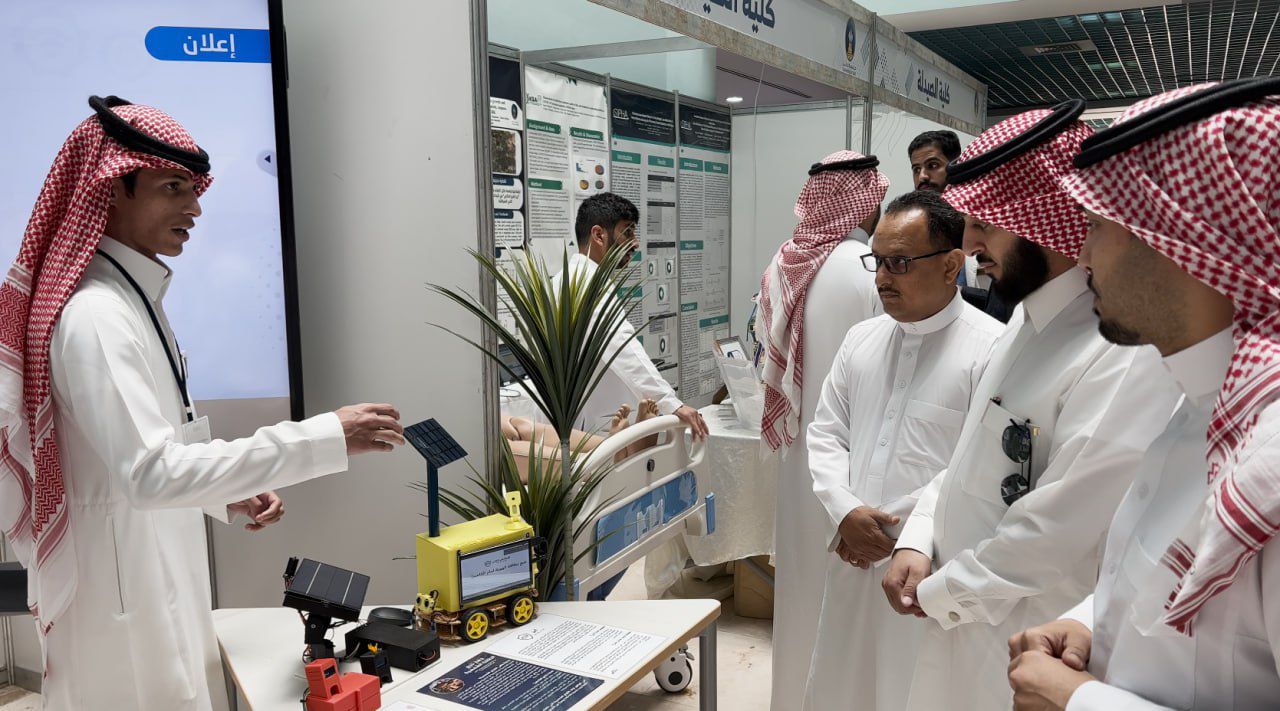
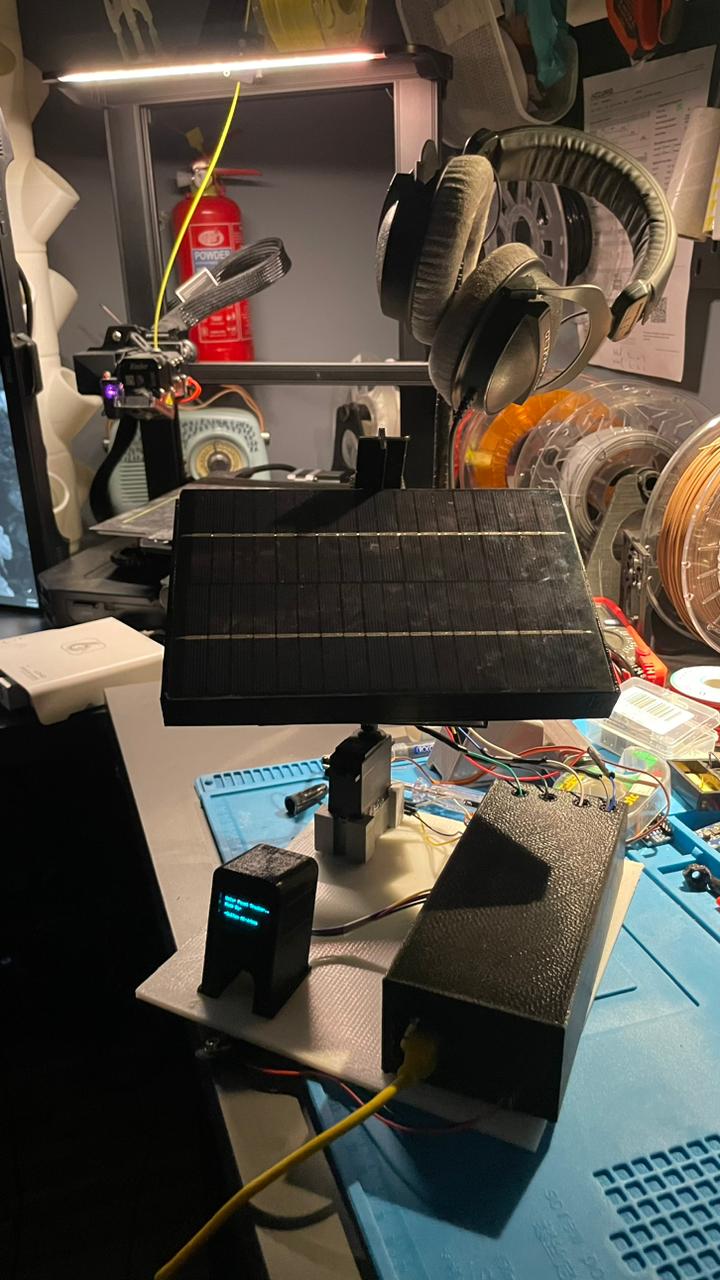
The device can move and rotate 360 degrees to track the sunlight in order to adapt to its surrounding environment. Examples of places to deploy the device include atop vehicles to track sunlight regardless of the vehicle's direction, on schools, homes, and businesses. Additionally, the device can be connected to a power generator for charging. It can also serve as a constant companion during travel and outdoor activities, allowing for charging of your belongings through the built-in USB port on the solar panel.
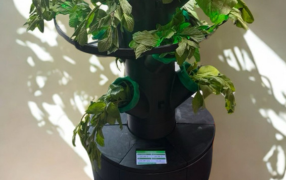
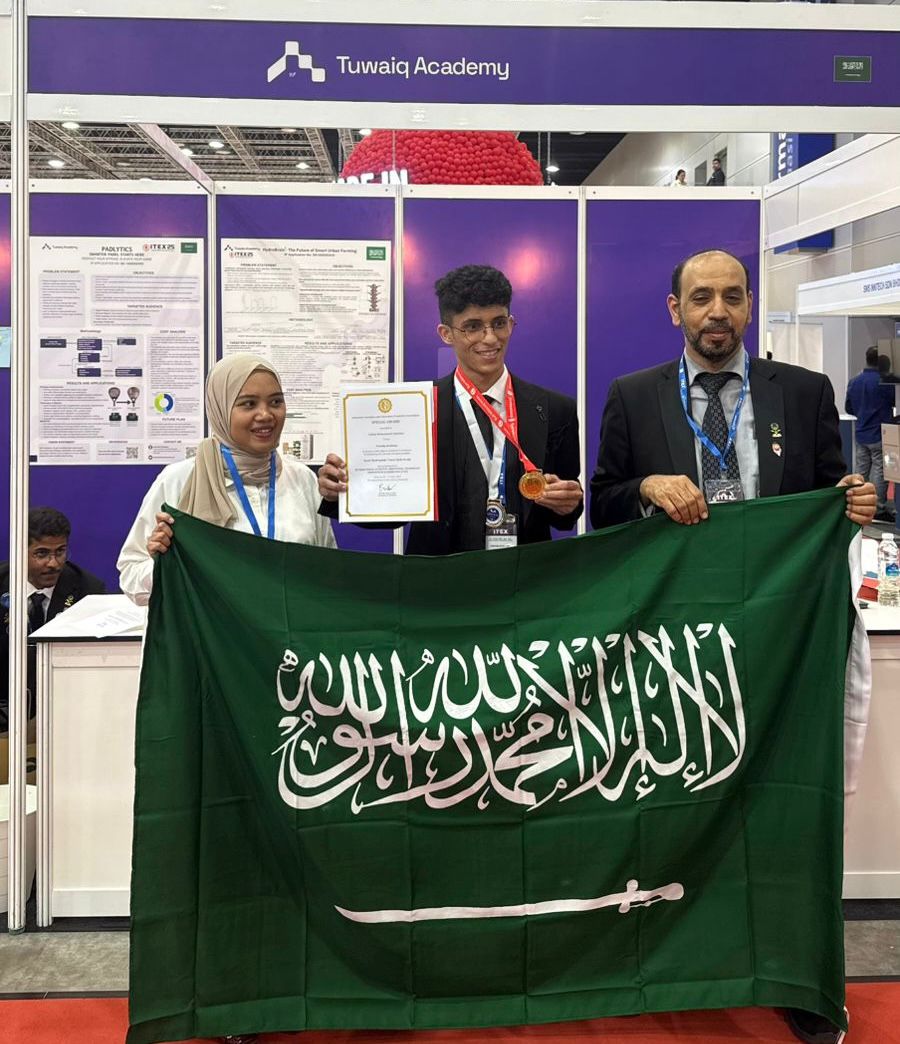
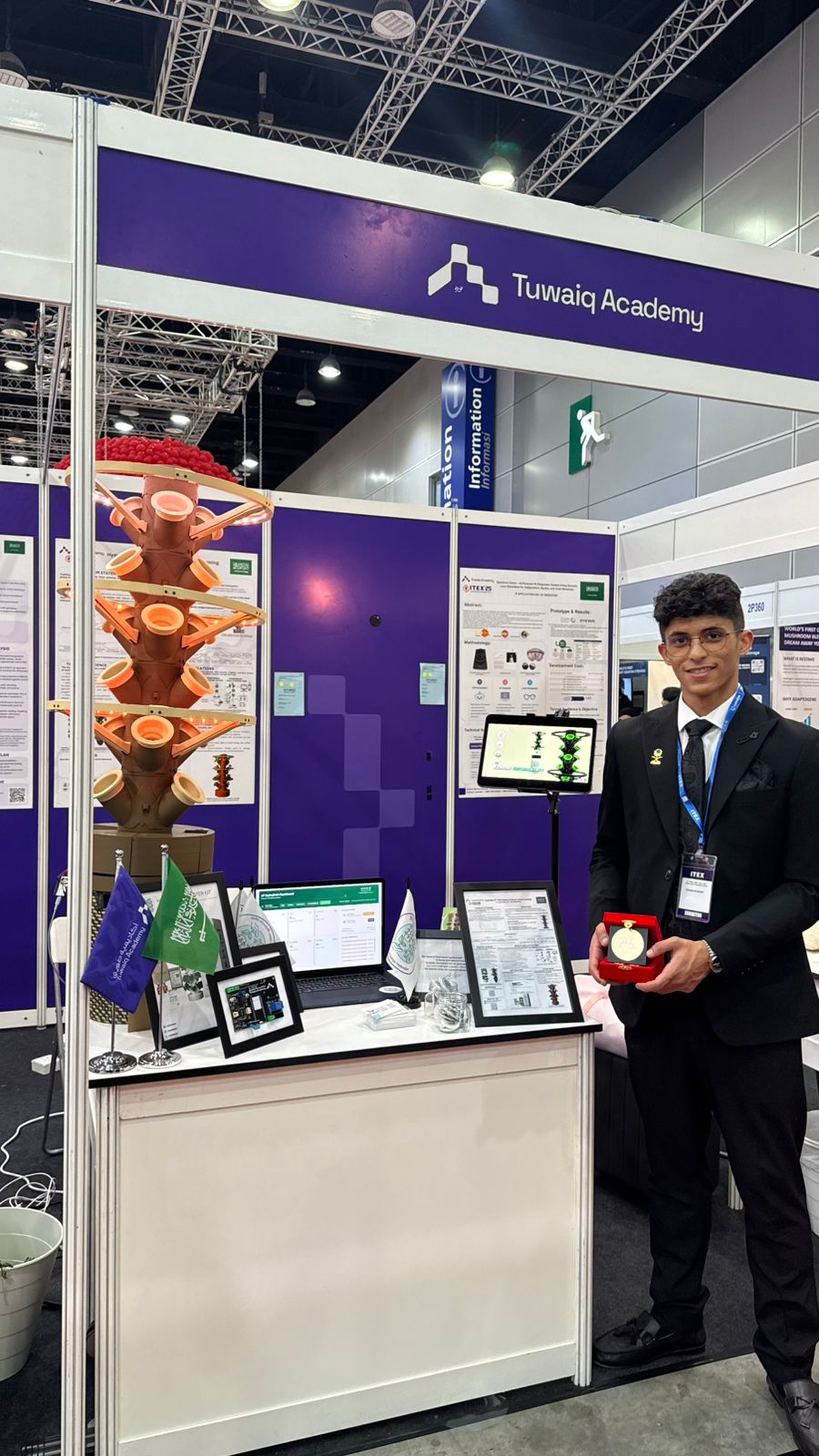
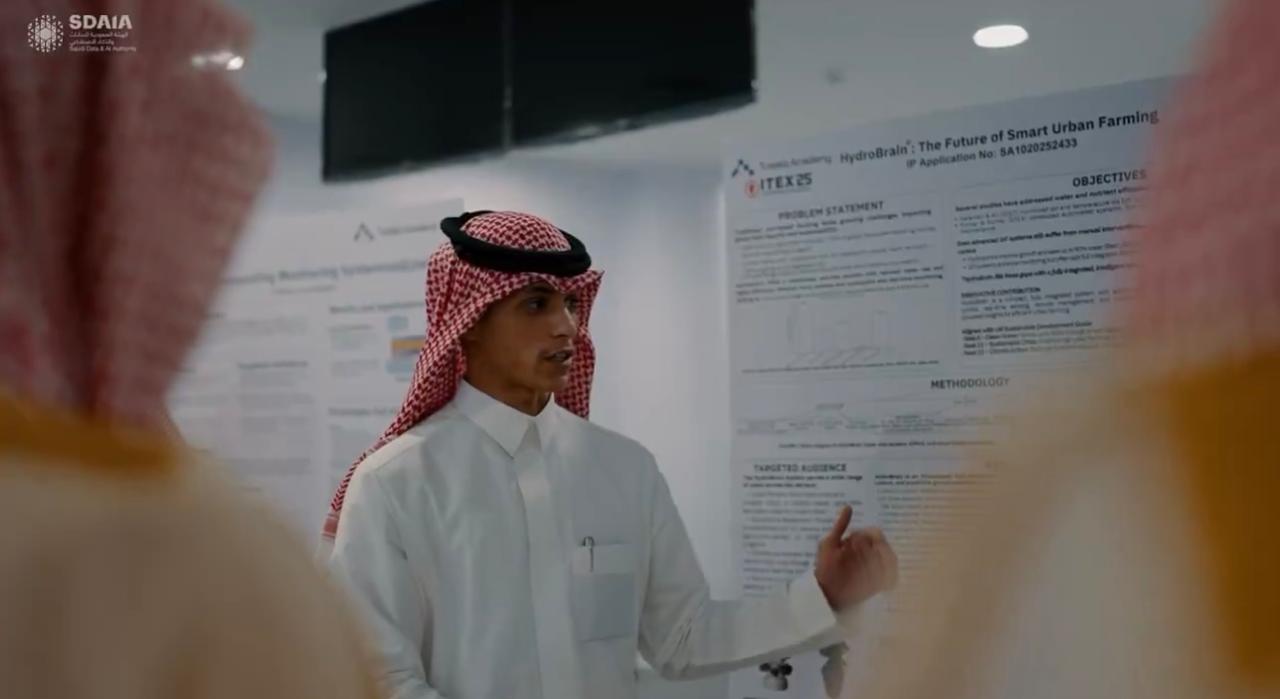
HydroBrain
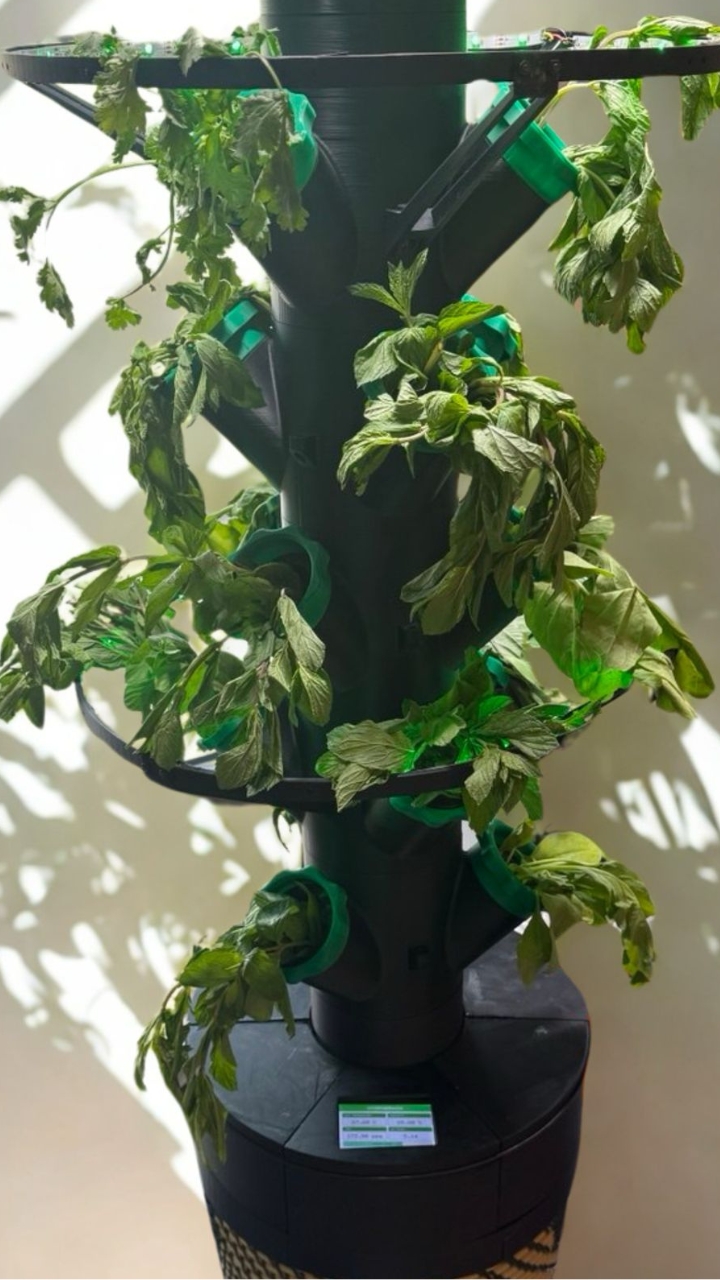
It relies on Internet of Things (IoT) technology to deliver water and nutrients directly to the roots of plants without the need for soil, promoting highly efficient growth. The system automatically irrigates and fertilizes the plants, measures temperature and humidity, and activates lighting for photosynthesis. You can also monitor the agricultural environment in detail through a dedicated website, ensuring healthy and sustainable growth.
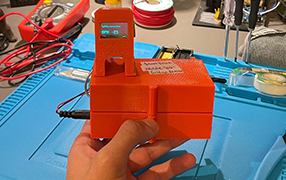
Heart rate monitor
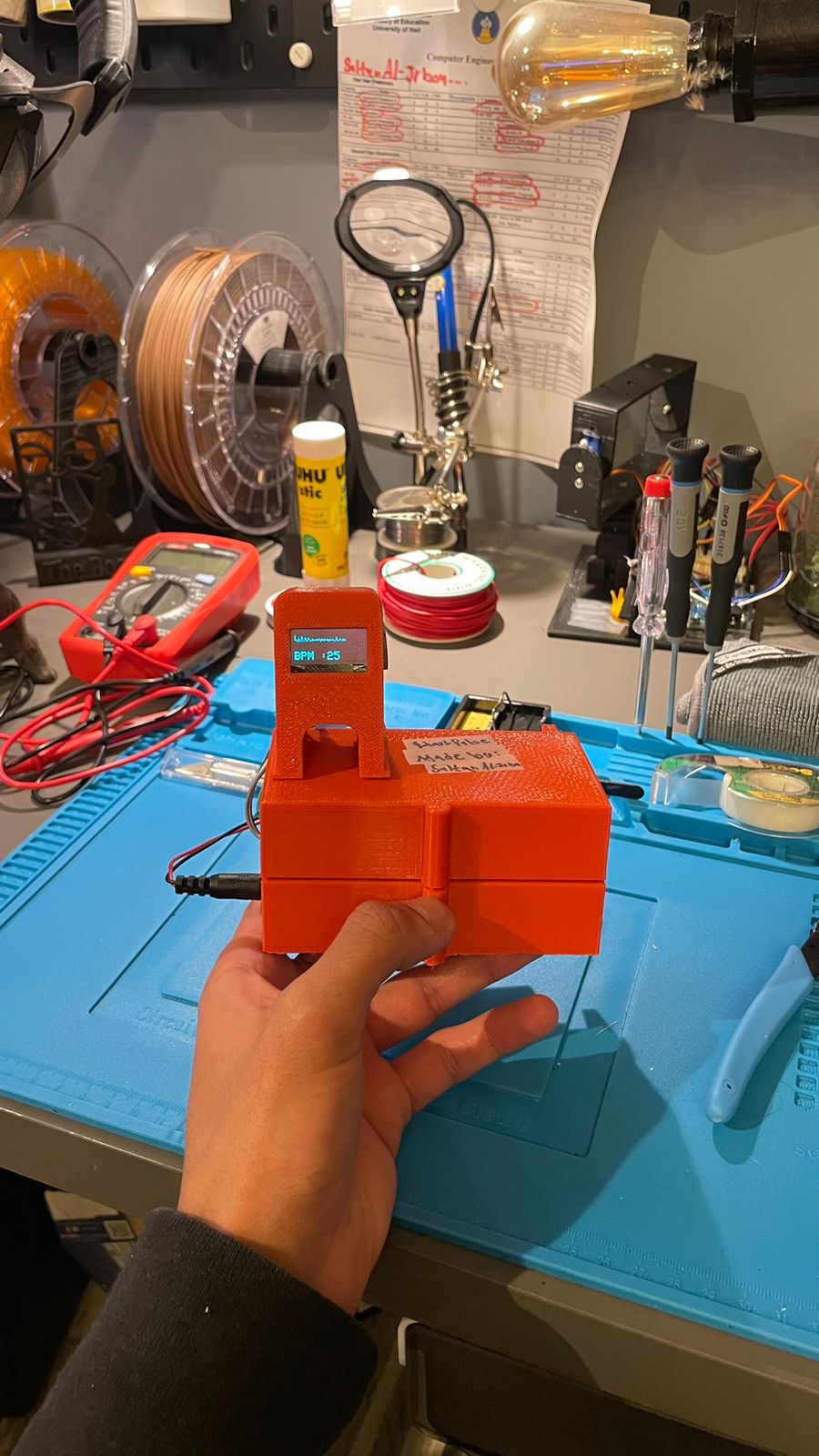
The device has been developed and configured based on its technological operation revealed by the University of Missouri. It takes the form of a blood oxygen saturation reader for early detection of health issues in individuals. The most important feature of the device is its cost-effectiveness. It has been built with minimal costs in mind and an attempt has been made to make it accurate enough for home manufacturing and personal non-certified use.
×
×
×
×
×